
21 days across 3 countries. Beach days. Cave swimming. Temples at dawn. Turquoise pools. Barrier reef at arm's length. A trip built for people who don't do tourist buses.
Three countries. Two border crossings. Beach days, underground caves, sacred temples at sunrise, a permaculture farm on the water, and the second-largest barrier reef on earth.
Tulum & Bacalar, Mexico — Violet's decompression zone. Beach days, underground cave swimming, sea turtles, and the Lagoon of Seven Colors
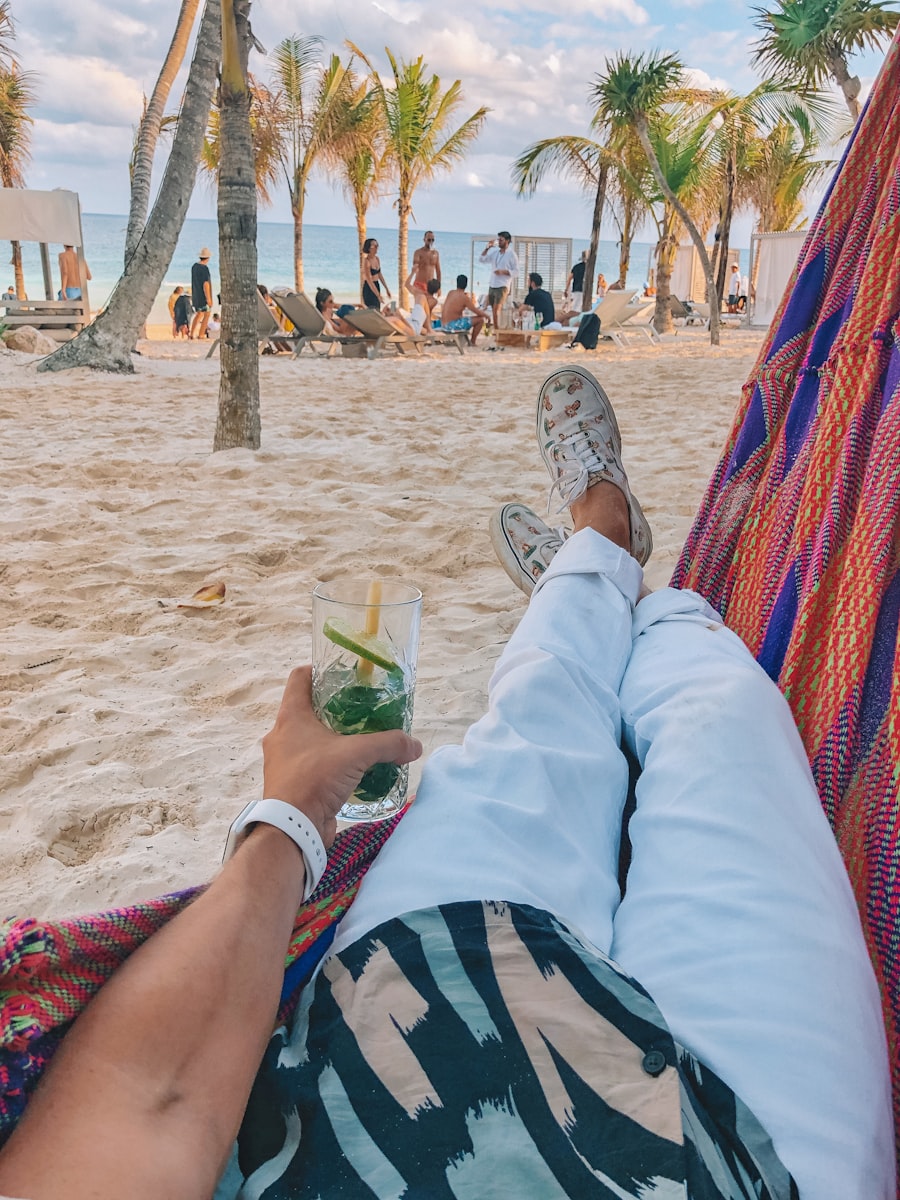
Fly Denver to Cancún — 3.5 hours, direct, no layover. Rent a car and drive 2 hours south to Tulum. Check into an Airbnb in town. Walk to the beach. Lay in the sand. Do absolutely nothing. She just finished school. She earned this. Tonight: street tacos and a rooftop margarita. The trip starts slow on purpose.
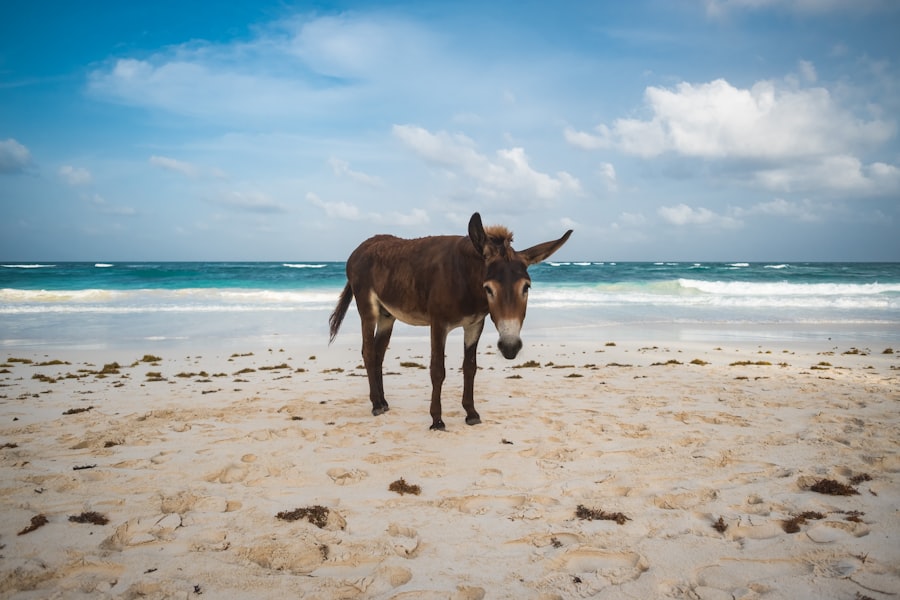
No alarm. No itinerary. No "we should probably..." — none of that. Walk to the beach when you feel like it. Swim. Read. Nap in a hammock. Eat fish tacos from a beach stand. This is the day where school, work, and the real world officially stop existing. Violet needs this day. So do you. Tomorrow you swim in underground caves. Today you just breathe.
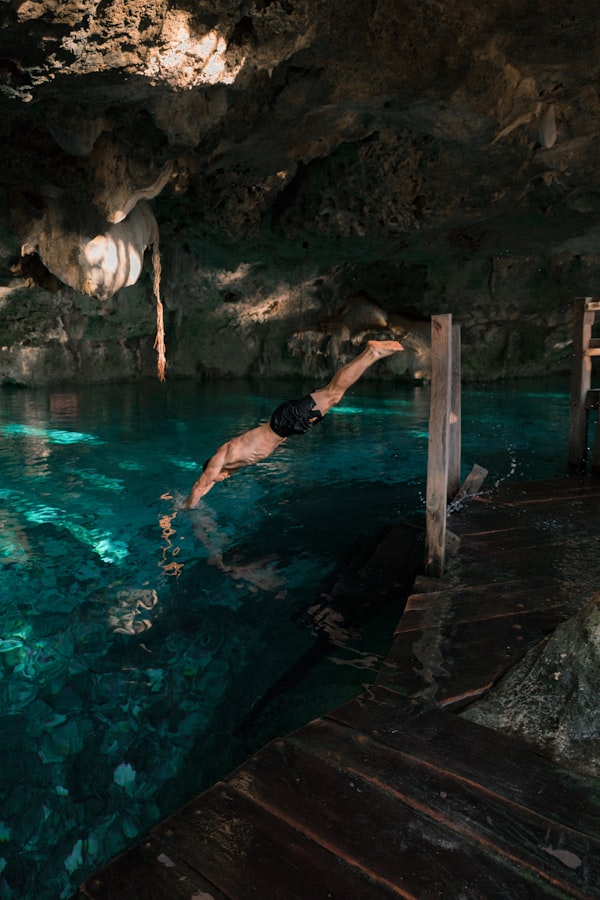
Morning: beach. Read, swim, sun. No alarm. No schedule. Afternoon: bike 15 minutes to a cenote — an underground limestone cave filled with crystal-clear freshwater. Swim beneath stalactites in water so clear you can see 100 feet. Gran Cenote or Cenote Dos Ojos — pick one or both. They're $20-25 entry. Nothing like this exists anywhere else on this trip. Evening: cocktails and live music in Tulum town.
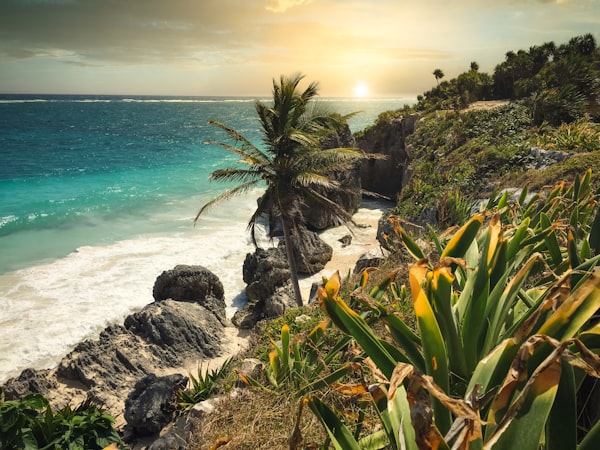
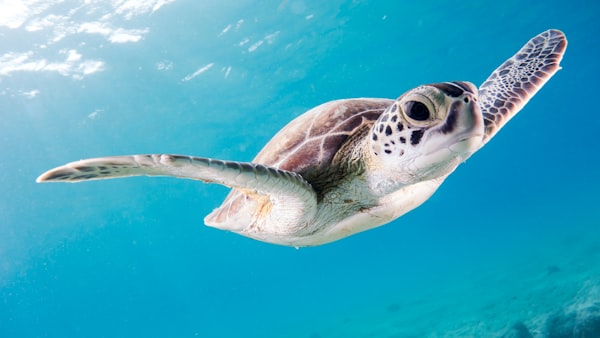
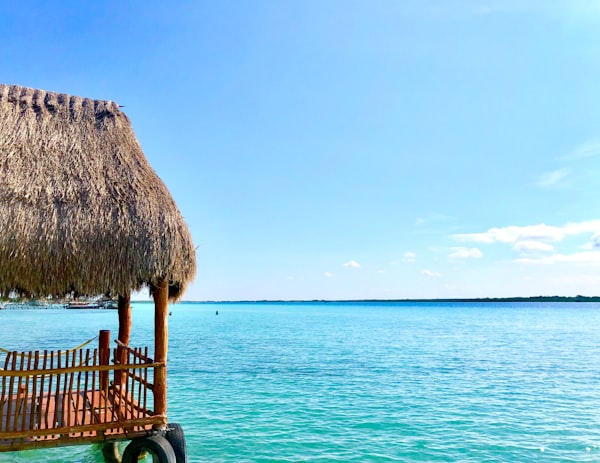
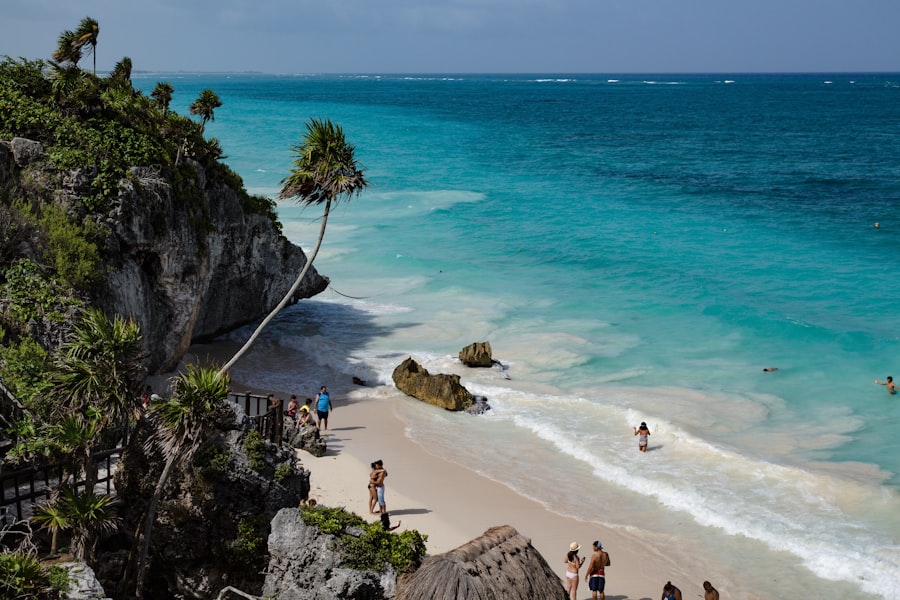
Morning: Tulum ruins — Maya temples on a cliff above turquoise Caribbean. One of the most photographed archaeological sites in the Americas. Then drive 20 minutes to Akumal Beach — swim with wild green sea turtles and loggerheads. No boat needed. Walk in from the beach. Guide required ($30-40). Sightings almost guaranteed year-round. Afternoon: drive 2 hours south to Bacalar — the Lagoon of Seven Colors. A 40-mile freshwater lagoon in seven shades of turquoise. Kayak, paddleboard, swim. Stay the night on the water.
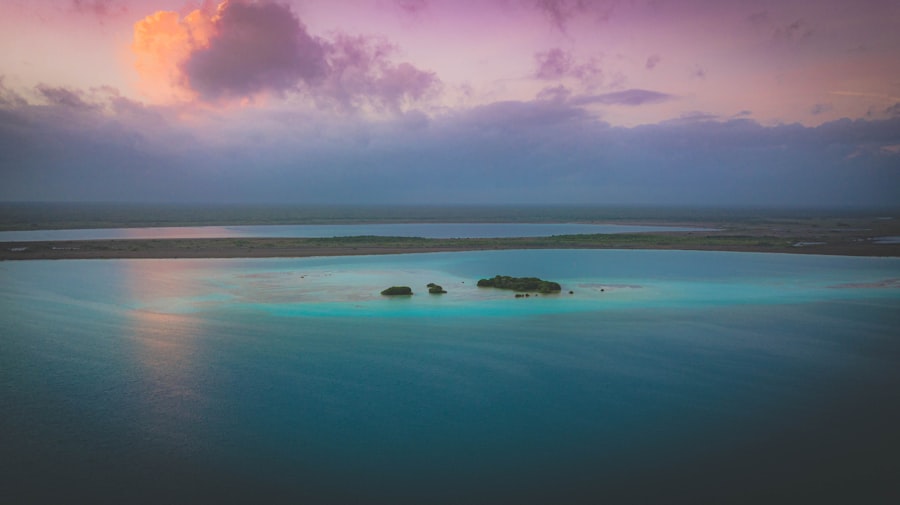
Morning: Cenote Azul — $2.50 entry, massive open cenote 5 minutes south of Bacalar. One more underground swim. Then drive 30 minutes to Chetumal. Drop the rental car. Walk across the border into Belize. Shuttle to San Ignacio. By evening you're at Black Rock Lodge — an off-grid eco-lodge on a cliff above the Macal River in the Belizean jungle. The beach chapter closes. The adventure chapter begins.
San Ignacio, Belize — where the caves hold skeletons and the rivers run through the canopy
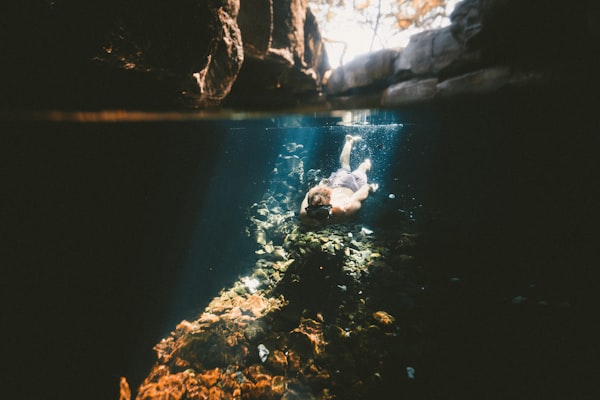
Wade through a river, swim into a cave mouth, climb into a cathedral-sized chamber. Inside: 1,000-year-old Maya pottery, ceremonial altars, and the crystallized skeleton of a young woman sacrificed to the rain gods. No cameras allowed. You carry this one in your memory. National Geographic's top 10 sacred caves on earth.
Morning at Cahal Pech ruins overlooking the valley. Cross the border to Flores — a tiny island connected by a causeway on Lake Petén Itzá. Painted buildings, lakeside restaurants. Then drive to Jungle Lodge Tikal, inside the national park. Tomorrow changes everything.
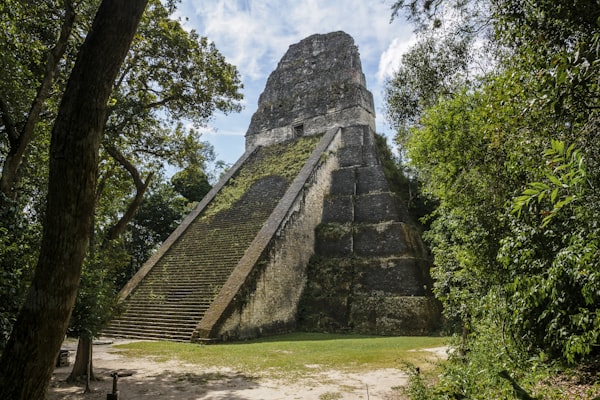
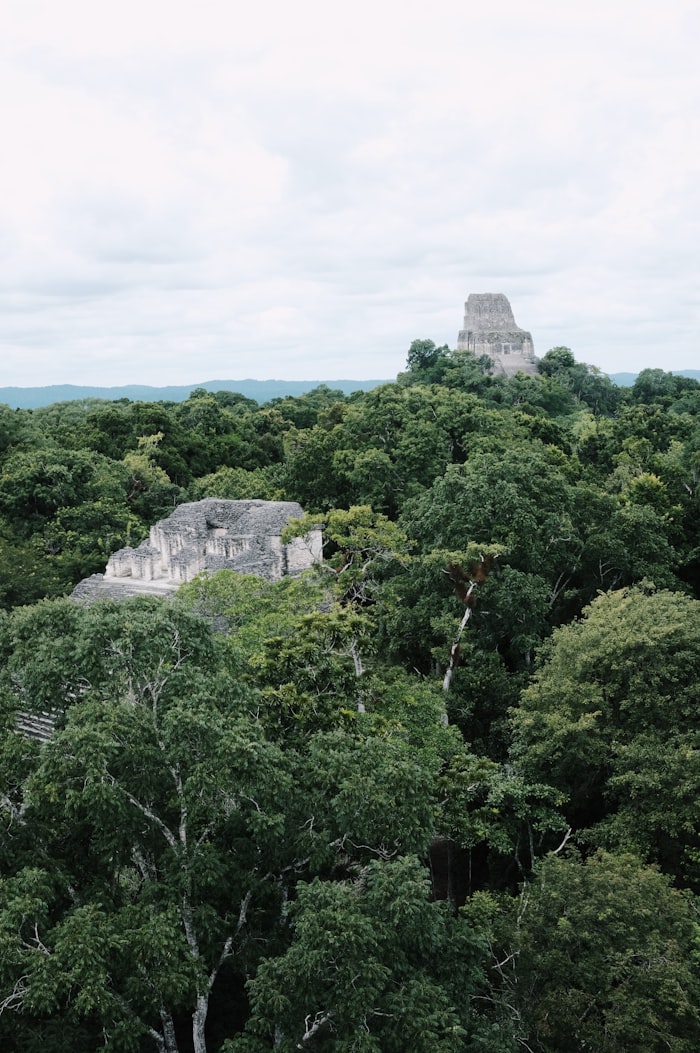
4:00 AM. Headlamps on. Walk through pitch-black jungle for 40 minutes. Climb the wooden stairs of Temple IV — the tallest structure the Maya ever built. Sit in darkness as the sky turns pink. Then the howler monkeys start. One troop, then another, then the entire jungle erupts. Mist rises between the temple peaks emerging from the canopy. Breakfast on the pyramid. The ruins are yours for two hours before the day-trippers arrive.
Antigua & Lake Atitlán — volcanoes, chocolate, coffee, permaculture, and 12 Maya villages around a sacred lake
Cobblestone streets between three volcanoes. Colonial ruins draped in bougainvillea. The birthplace of Mayan chocolate and some of the best coffee on earth.
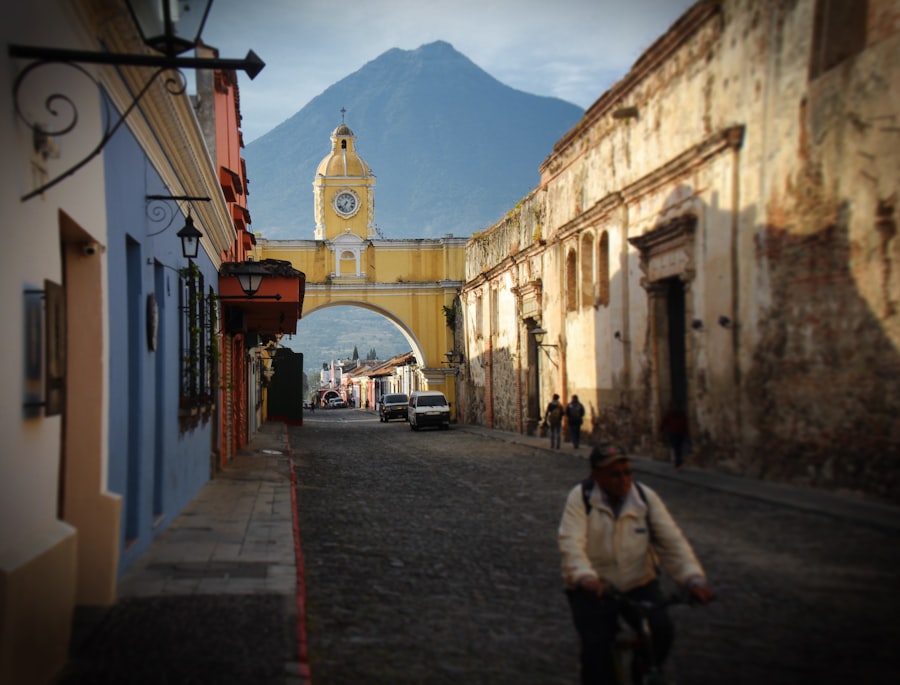
Shuttle or fly from Flores to Antigua — a UNESCO colonial city cradled between three volcanoes. Crumbling stone archways, painted walls, coffee shops in converted monasteries. Walk the streets as the sun sets behind Volcán de Agua.
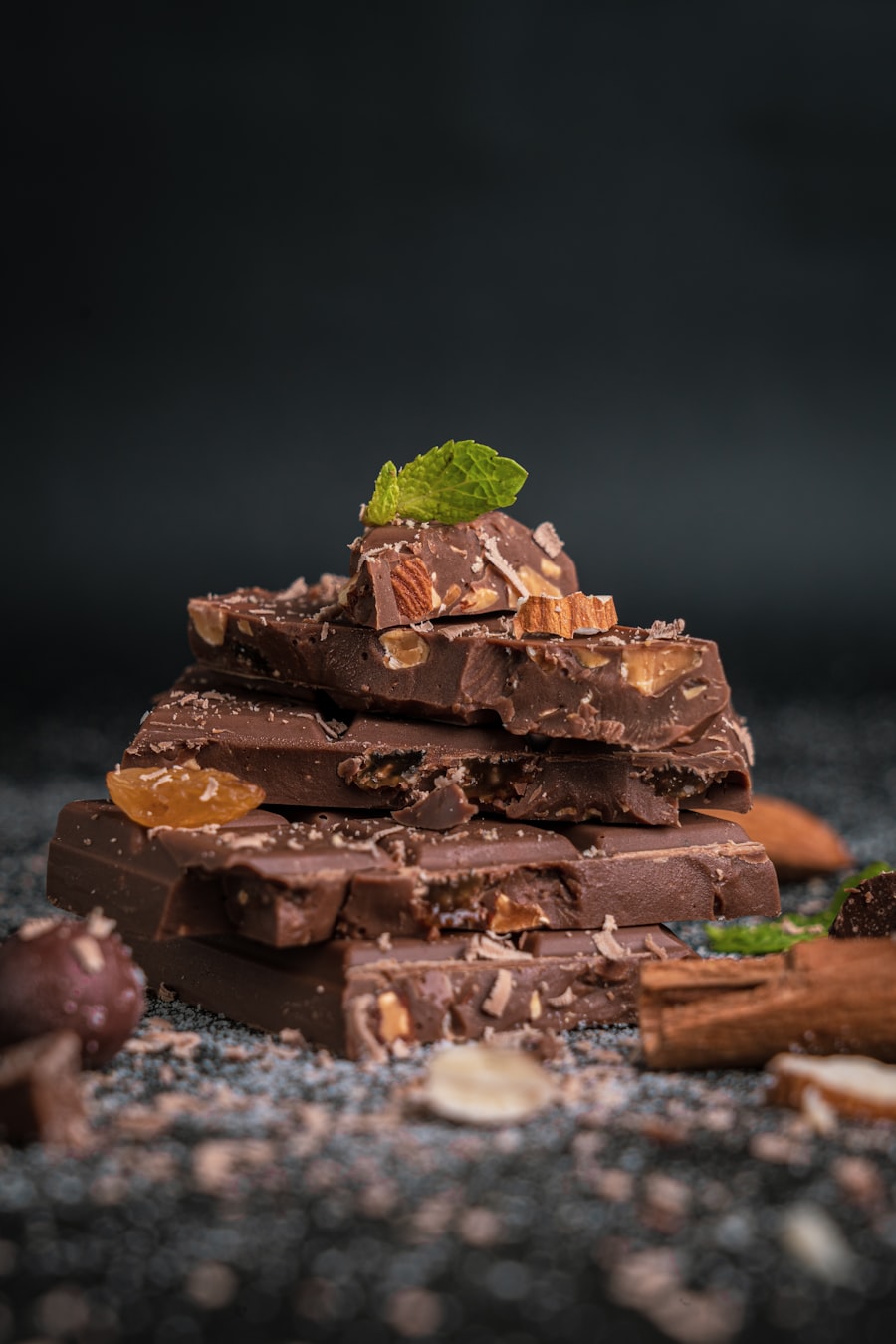
Morning: cooking class — pepián, jocón, tamales. Shop the market first, then cook together. Afternoon: ChocoMuseo bean-to-bar workshop. Make a sacred Mayan cacao drink using methods passed down for centuries. Evening: coffee tasting across Guatemala's 8 growing regions. Night: Café No Sé — the legendary mezcal bar with a speakeasy in the back.
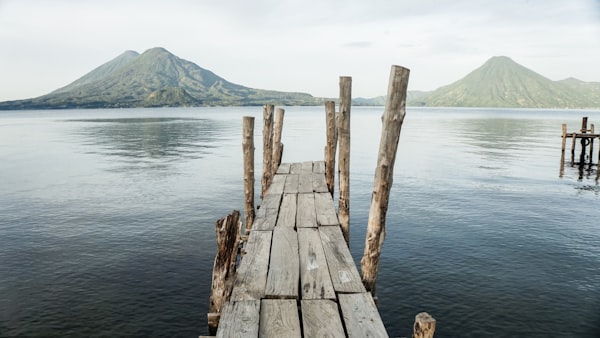
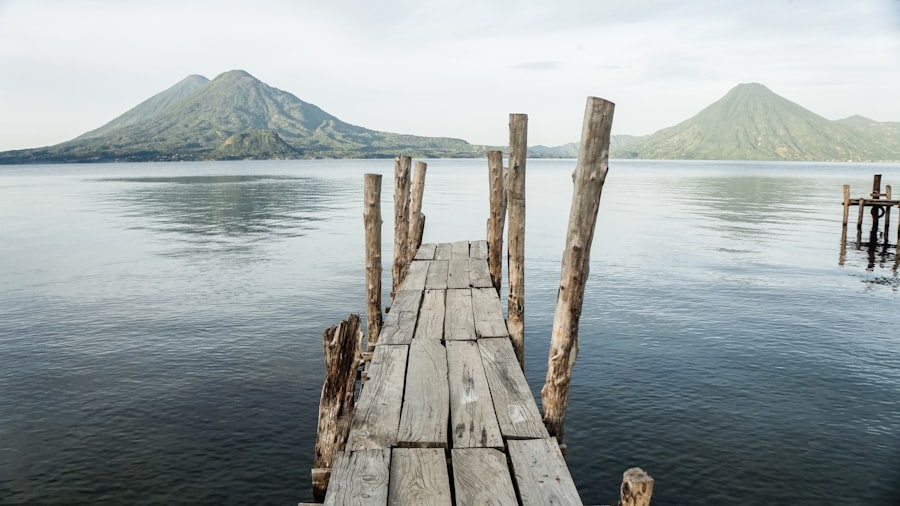
Aldous Huxley called it the most beautiful lake in the world. Twelve Maya villages circle its shores — each with a different language, different textiles, a different world.
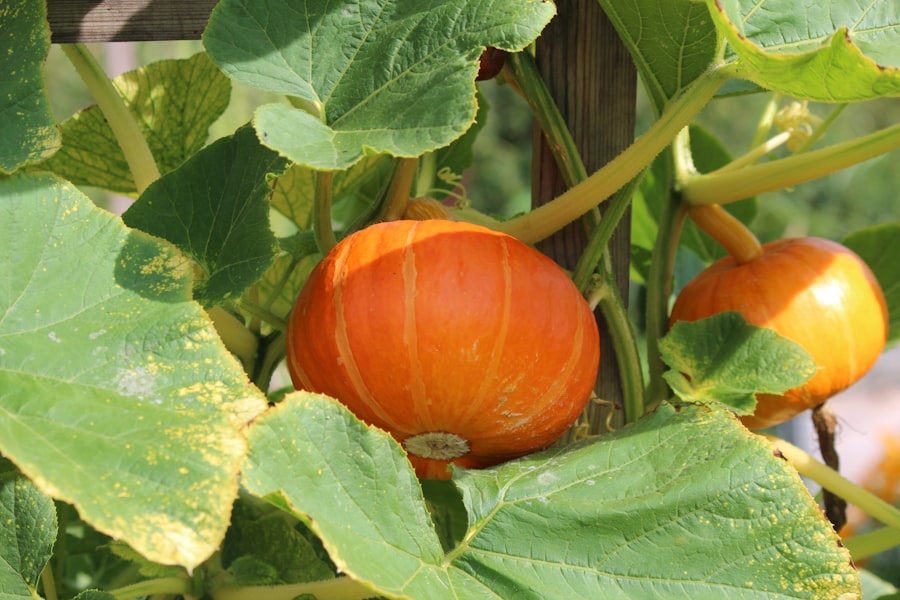
Climb Cerro de la Cruz for sunrise over Antigua with all three volcanoes glowing. Then shuttle to Lake Atitlán. Check into Tzununa, one of the quieter villages. Afternoon: Atitlan Organics permaculture farm — food forest, integrated wetlands, goats, chickens, intensive cultivation on 2.2 volcanic acres.
Full day by boat. Santiago Atitlán: the Tz'utujil Maya and the shrine of Maximón, the folk saint who drinks rum and smokes cigars. San Juan: artisanal cooperatives of weavers, beekeepers, midwives. San Pedro: cliff jumping, street food, and nightlife — Mr Mullet's boat party on the lake. Each stop — a different language, different clothing, a different way of being alive.
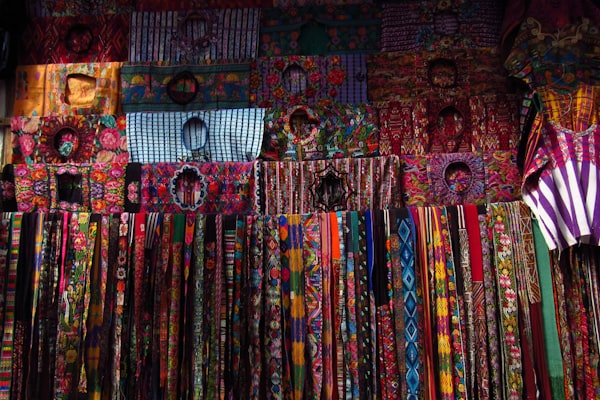

Each village is its own world — different Maya group, different language, different clothing, different energy. You travel between them by boat across volcanic water.
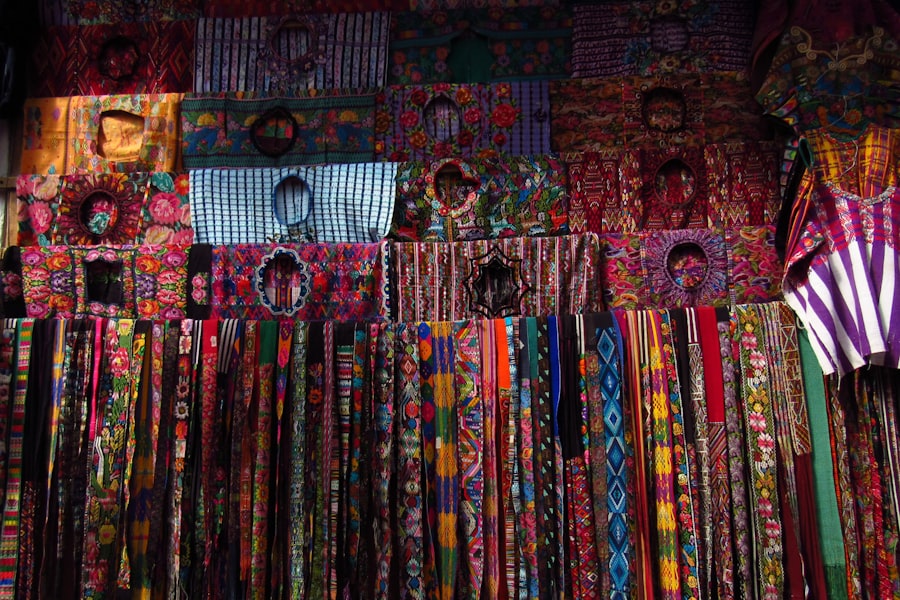
The largest and most culturally intense village on the lake. Home of the Tz'utujil Maya, Santiago is where you visit Maximón — the chain-smoking, rum-drinking folk saint kept in a different house each year. Men wear traditional purple-striped pants. Women weave huipiles with bird motifs unique to this village. The market is dense, loud, and real.
95% Tz'utujil Maya. Famous for women's weaving cooperatives using organic cotton and natural plant dyes — a tradition perfected over thousands of years. Casa Flor Ixcaco gives 80% of every sale directly to the weavers. You'll also find beekeepers, midwives, and murals covering every wall. The quieter, more artistic sister to San Pedro next door.
The backpacker capital of Atitlán. Spanish schools, rooftop bars, street food stalls, volcano hikes. Volcán San Pedro towers directly above town — a 4-5hr hike to the summit with panoramic views of the entire lake. Strong indigenous roots underneath the traveler energy. This is where Violet will want to come back.
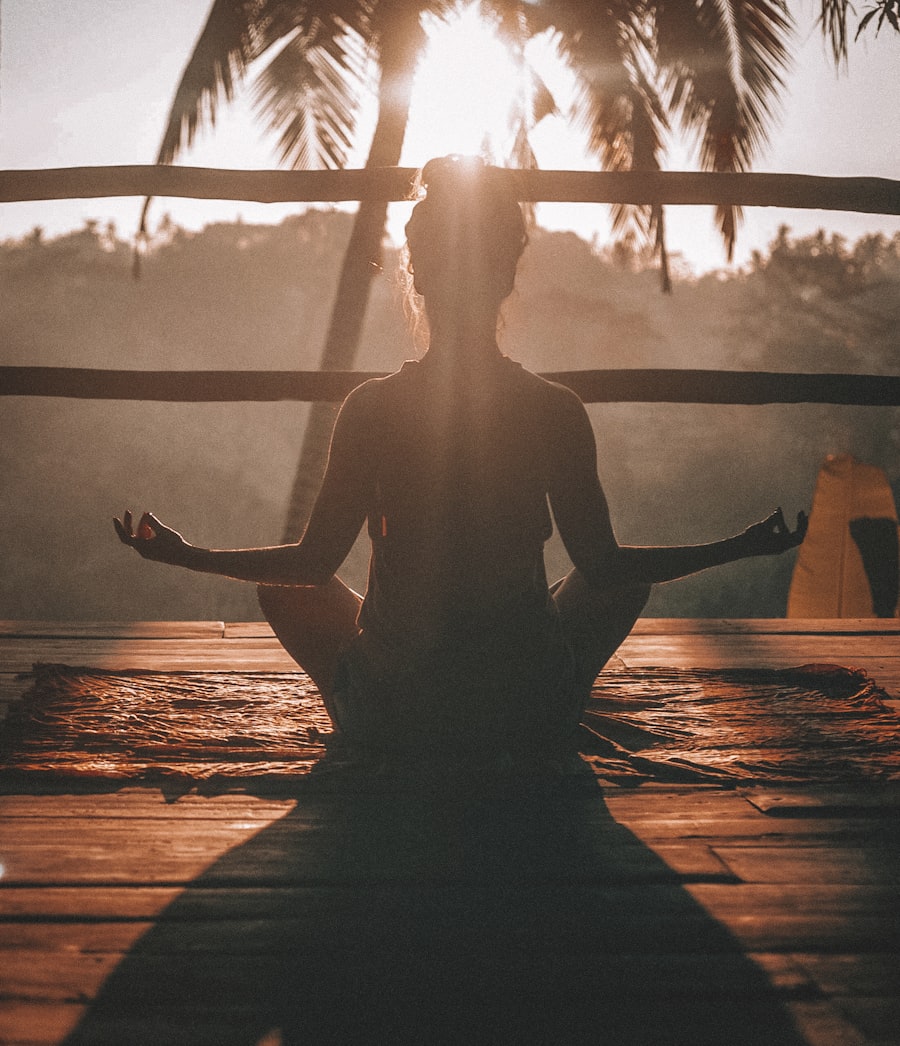
Lake Atitlán's spiritual center. Yoga retreats, cacao ceremonies, sound healing, moon rituals, fire dances. Known as an "energy vortex." Las Piramides has been teaching meditation here for decades. The cliff jump at Cerro Tzankujil nature reserve (12 meters into the lake) is legendary. Unbeatable volcano views from the western shore.
Your home base. "Hummingbird Valley" in Kaqchikel. Quieter than everywhere else — a mostly indigenous community with a growing community of people living off the land. Home to Atitlan Organics permaculture farm, Saturday open-air markets, and courses in fermentation, mycology, and herbalism. This is the village James picks.
No road in. You arrive by boat and it stays that way. Steeply terraced into the hillside above the lake. The Lower Mayan Trail connects Santa Cruz to Jaibalito and beyond — walking through coffee plantations and forest with volcano views the entire way. Also home to freshwater scuba diving in volcanic underwater structures. The village that time forgot.
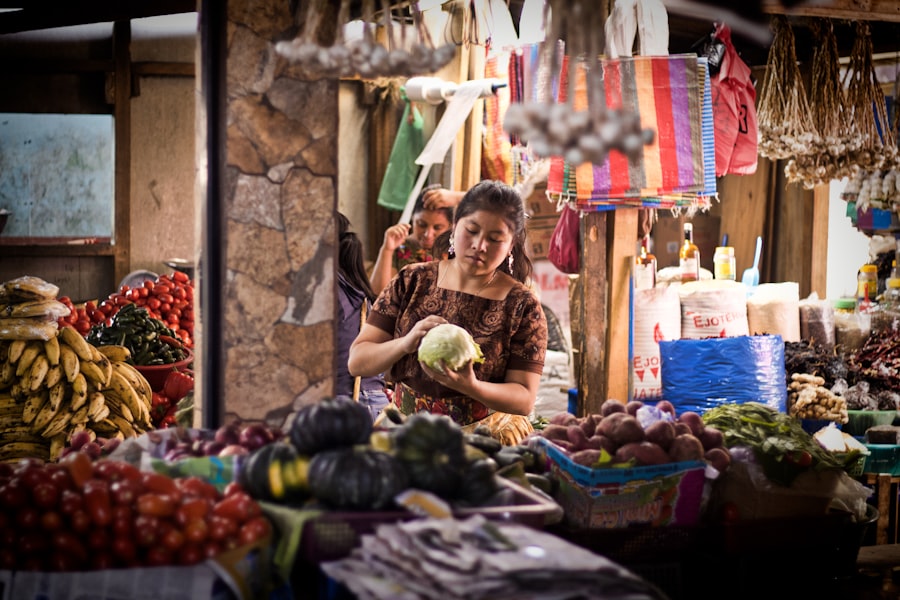
The busiest town on the lake and your gateway in. Calle Santander is a conveyor belt of textiles, pottery, wooden masks, and paintings. The Sololá market (Tuesdays and Fridays, a short ride uphill) is one of the most traditional indigenous markets in Guatemala. All boats depart from here. Three volcanoes watch over everything.
Hopkins, Belize — the Garifuna heartland. UNESCO-recognized drumming, coconut fish stew, jaguar reserve, and a reef nobody talks about
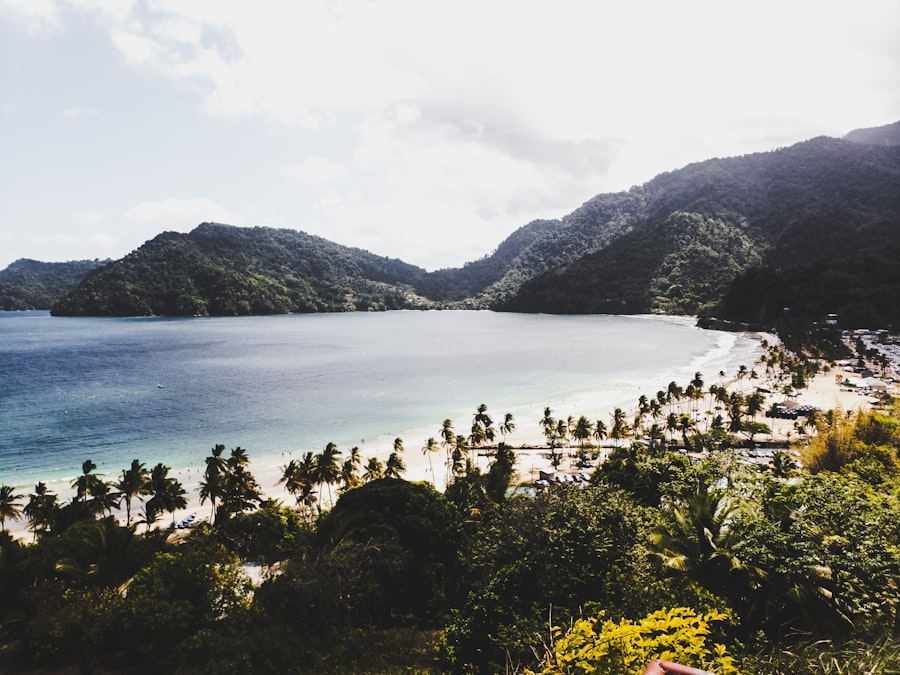
Early shuttle to Guatemala City. Fly to Belize City. Bus south through the Hummingbird Highway — one of the most scenic drives in Central America. Arrive Hopkins by afternoon — a sandy-street Garifuna village on the Caribbean coast. No pavement. No resorts. Johnnycakes from the ladies on the street. First dinner at Innie's — the real Garifuna soul food.
Morning at Palmento Grove — learn Garifuna drumming. Not a performance. A lesson. You sit with the drummers and learn punta, paranda, chumba rhythms on handcrafted drums. Then cook hudut together — freshly caught fish simmered in coconut milk, served with pounded plantains. UNESCO calls this Intangible Cultural Heritage. You call it the best meal of the trip. Afternoon: boat to South Water Caye — pristine reef, less crowded than Hol Chan, different ecosystem entirely. Evening: live drumming on the beach under the stars.
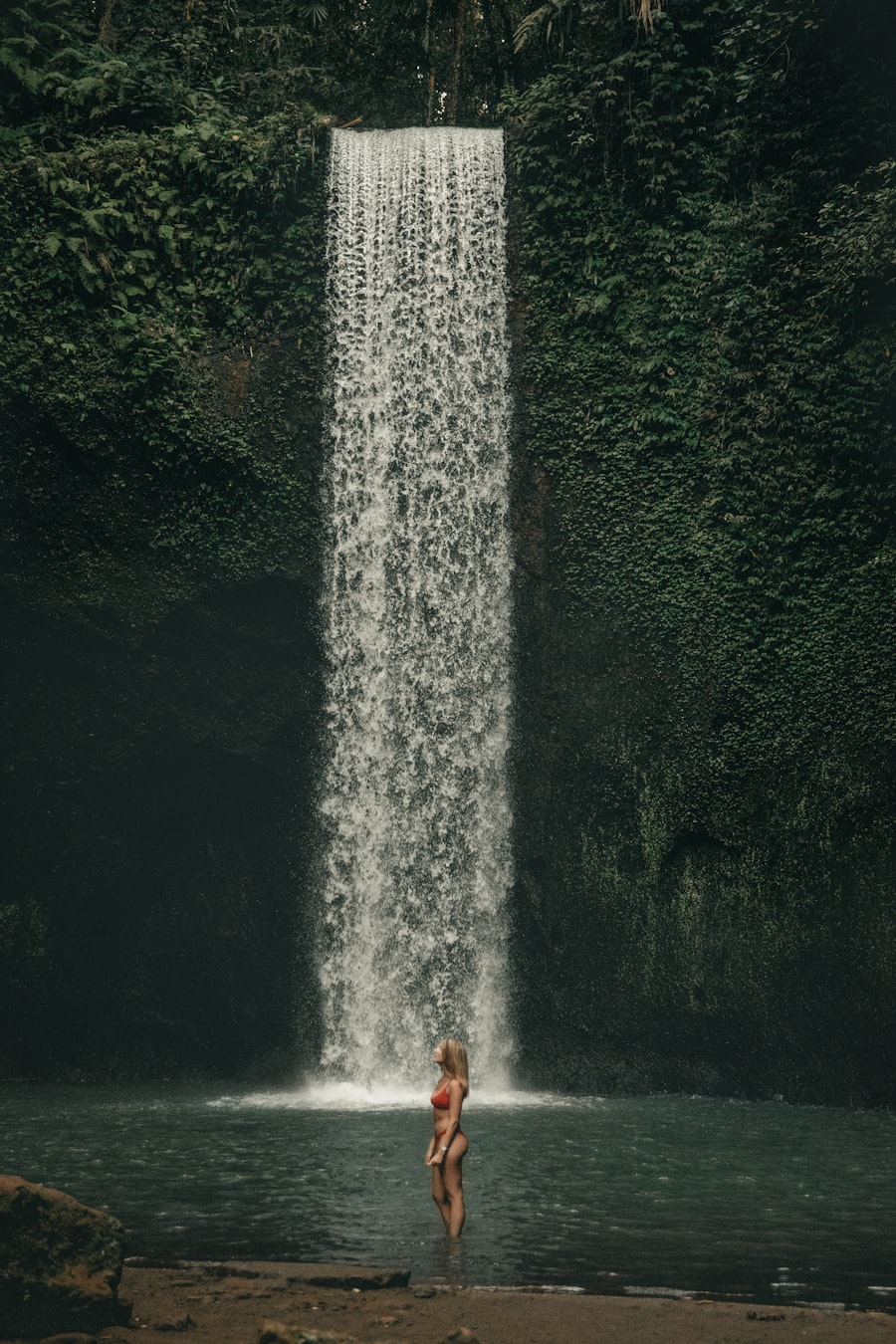
Morning: Cockscomb Basin Wildlife Sanctuary — the world's first jaguar preserve. Hike the Tiger Fern Falls trail through rainforest to a 60-foot double waterfall with a swimming hole at the base. You won't see a jaguar but you'll see the tracks. Afternoon: bus to Belize City, water taxi to Caye Caulker. By sunset you're at The Split with a Belikin in hand.
Caye Caulker, Belize — nurse sharks at arm's length, 160 species of tropical fish, PADI certification on the barrier reef, and lobster season just opened
The second-largest barrier reef on earth. 160 species of fish in a single protected zone. Nurse sharks that circle your fins. Stingrays with four-foot wingspans. This is where Violet gets certified.
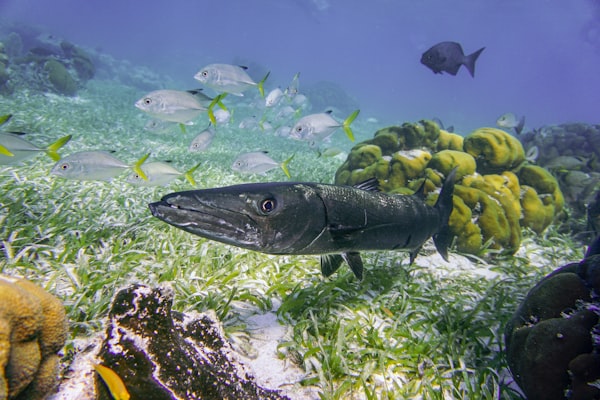
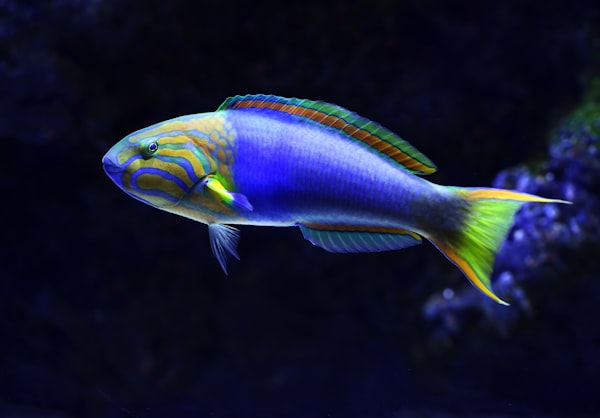
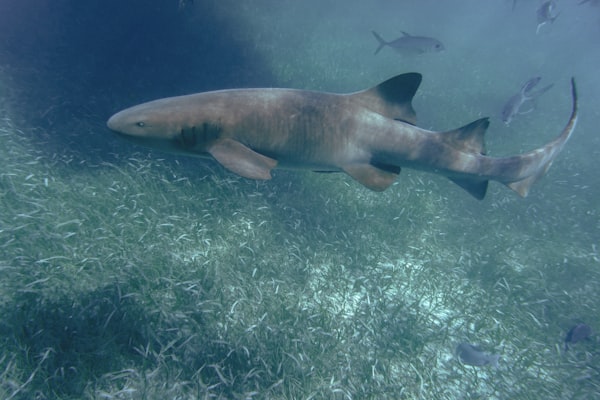
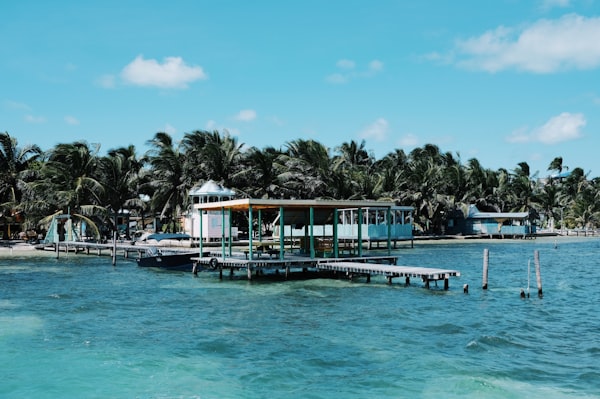
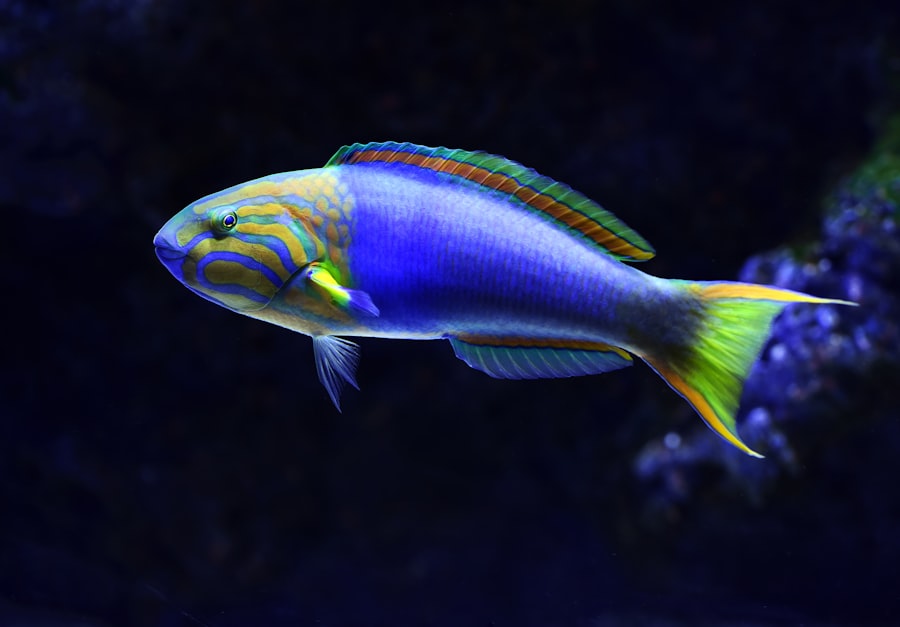
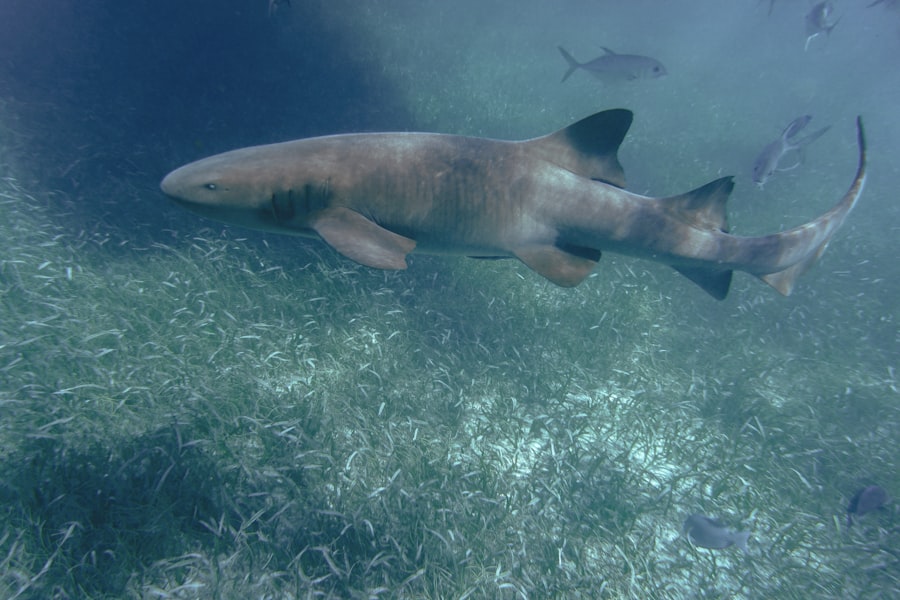
Half-day: Hol Chan Marine Reserve, Shark Ray Alley, Coral Gardens. Nurse sharks circle lazily beneath you. Southern stingrays with four-foot wingspans glide past. The reef wall drops into blue and the fish are everywhere — parrotfish, angelfish, grouper, barracuda, moray eels, sea turtles. 160 species in a protected zone where the marine life has no fear.
Full-day six-stop tour past the tourist spots — seahorse nurseries, massive tarpon under the Sunken Barge, channel cuts with pelagic fish. The guides take you where the guidebooks don't go. Lobster season opens June 15, so tonight: fresh-caught lobster grilled on the beach. After dark: bioluminescent night kayak — paddle through glowing water as tiny organisms light up blue-green with every stroke. Locals call it "burning wata."
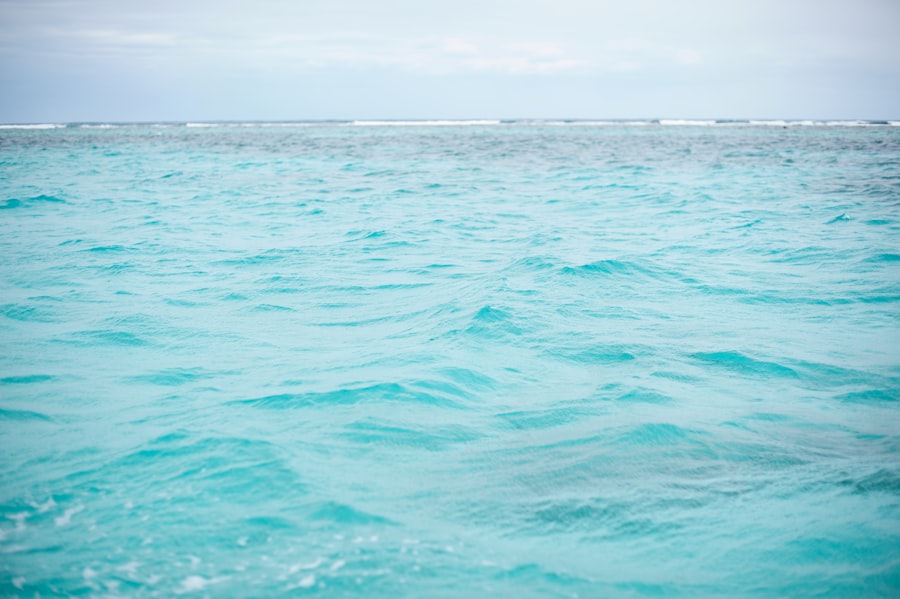
Violet starts her PADI certification. Pool skills, theory, confined water. Learning to breathe underwater in the calm shallows before the real thing tomorrow. She's done Machu Picchu and 14ers. Now she learns to breathe underwater on the second-largest barrier reef on earth.
Open water dives on the barrier reef. Violet descends past the shallow coral into the blue — breathing underwater on one of the most biodiverse reefs on earth. Two open water dives today. One more tomorrow and she's certified. Tonight: lobster dinner on the dock. She earned it.
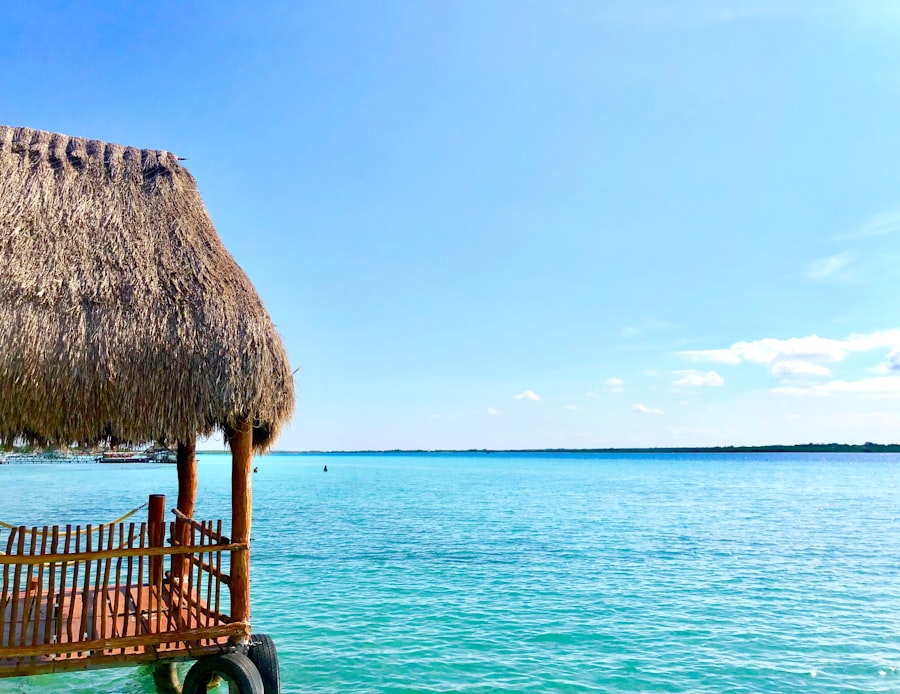
Morning: final certification dives on the barrier reef. Violet surfaces a PADI-certified Open Water Diver. A credential earned on one of the best reefs on earth. Afternoon: water taxi to Belize City. Bus to Chetumal border. Cross into Mexico. Drive or taxi 30 minutes to Bacalar. You end where the Mexico leg began — on the Lagoon of Seven Colors. Last swim. Last sunset on turquoise water. Full circle.
Morning: one more swim on Bacalar's lagoon. Coffee on the dock. Then ADO bus south to Cancún airport — 5.5 hours of air-conditioned highway while you both process 21 days across 3 countries. Arrive by early afternoon June 24. Flight at 3:35pm. Direct. 4 hours 40 minutes. By 7:15pm you're back in Denver. You left as a dad taking his daughter on a trip. You come home as two people who swam with sea turtles in Mexico, dove into a sacred cave in Belize, watched the sun rise over a Maya temple at 4am, learned Garifuna drums on a beach, floated turquoise pools between volcanoes, and earned a scuba certification on the barrier reef. 21 days. 3 countries. $494 in flights. That doesn't go away.
21 days across 3 countries gives you room to breathe. If you love Tulum, stay an extra day — compress the drive south. If Atitlán pulls you in, add a night. If the rain hits hard in Hopkins, skip to Caye Caulker early and get an extra island day. The schedule above is the plan. Real life is the edit. You have 2 buffer days built into this trip that don't appear on any card. Use them wherever feels right.
With Violet's PADI card in hand — the Great Blue Hole, wall dives, night dives, and the most biodiverse reef in the Western Hemisphere
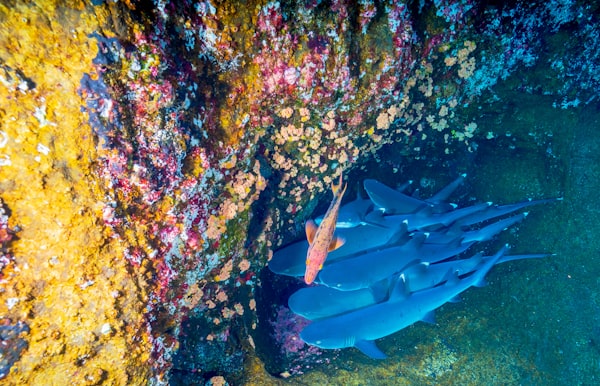
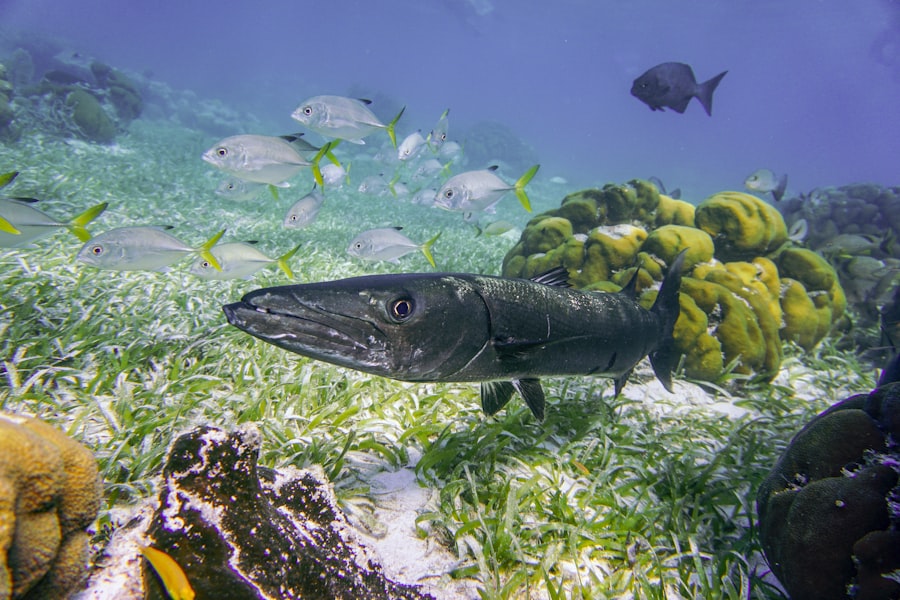
A cut in the barrier reef where 160+ species of fish concentrate in a single protected zone. The marine life has no fear of humans here — parrotfish, angelfish, grouper, barracuda, moray eels, spotted eagle rays, and sea turtles swim within arm's length. The reef wall drops into deep blue on one side. Shallow coral gardens explode with color on the other.
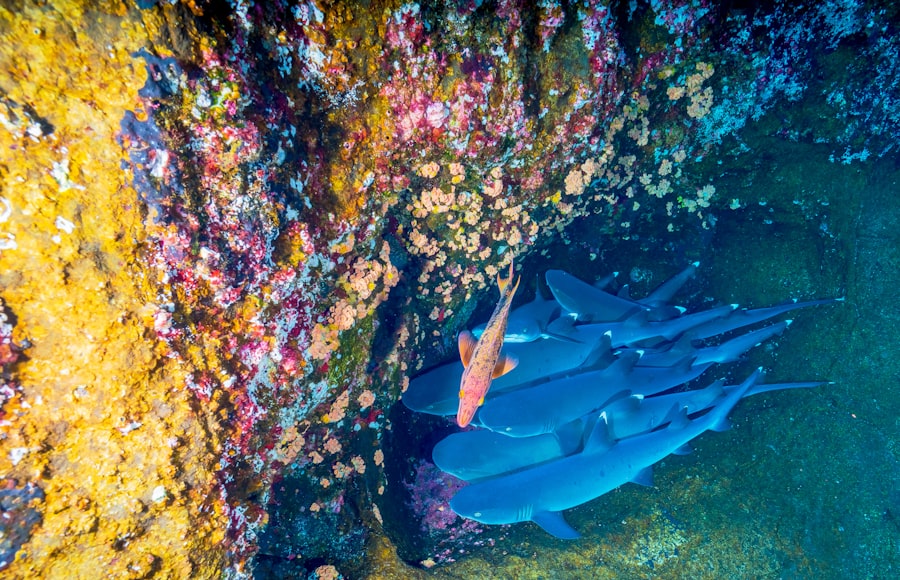
Shallow, sandy bottom in waist-deep water. Nurse sharks circle lazily beneath you — completely harmless despite their size. Southern stingrays with four-foot wingspans glide past your fins. They gather here because fishing boats used to clean their catch in this spot. Now the sharks and rays wait for the snorkelers instead.
A massive underwater sinkhole — 300 meters across, 125 meters deep — visible from space. With Violet's PADI card, she can dive the rim at 40 meters: giant stalactites formed when this was a dry cave during the Ice Age, Caribbean reef sharks patrolling the blue void below. The day trip from Caye Caulker is a full-day expedition. This is the dive that goes on the wall.
Shallow reef packed with the highest density of tropical fish on the route. Brain coral, elkhorn coral, sea fans waving in the current. This is where you see the small stuff — juvenile fish, cleaning stations, seahorses in the seagrass. The best spot for underwater photography. Calm, clear, and endless color.
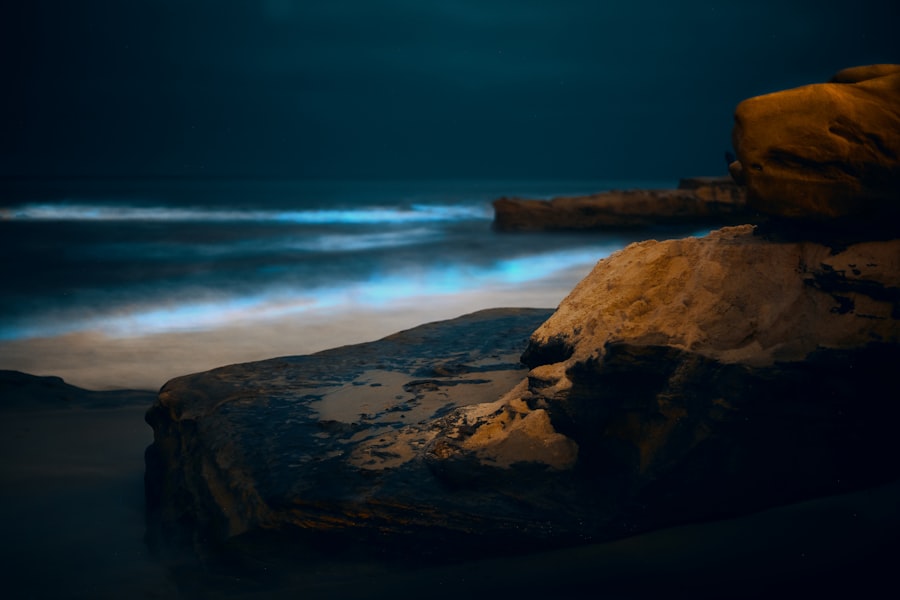
After dark, paddle a kayak through water that glows. Bioluminescent plankton — tiny dinoflagellates — light up blue-green with every stroke of your paddle, every splash of your hand. The wake behind the boat shimmers like liquid starlight. Locals call it "burning wata." One of those experiences that doesn't photograph — you just have to be there.
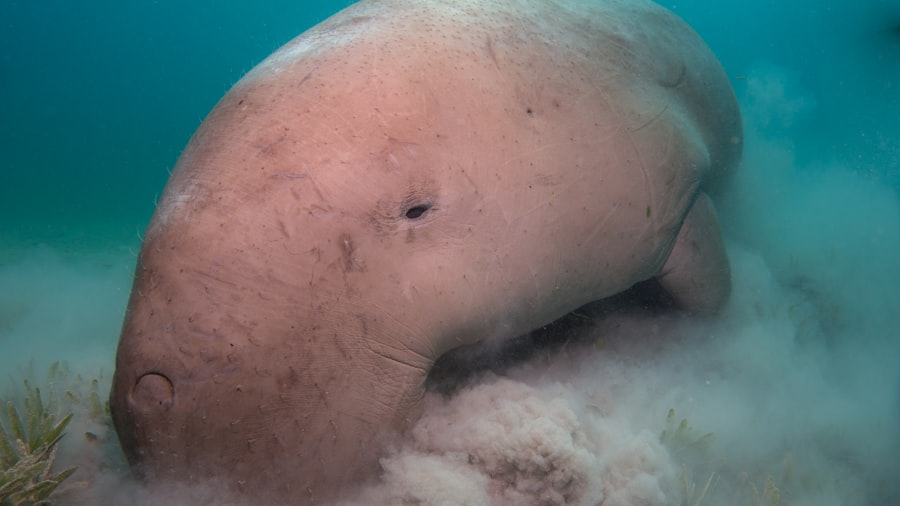
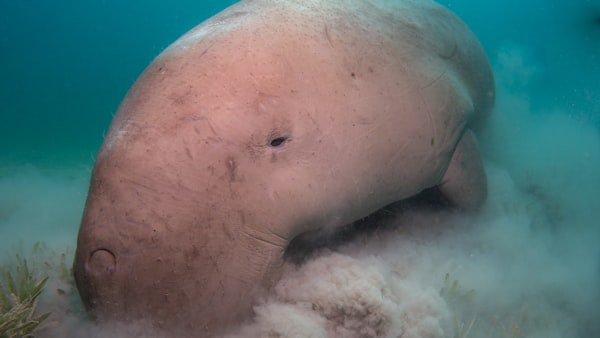
A 9,000-acre protected sanctuary home to endangered West Indian manatees. Boat trip from Caye Caulker — these massive, gentle creatures surface slowly beside your boat, completely unbothered. One of the few places in the world where manatee encounters are virtually guaranteed.
The spots that matter — not the ones in the guidebook
San Ignacio — Mayan & local Belizean. The real deal.
$8-15/personAntigua — Cook pepián, jocón, tamales. Market first, kitchen second.
~$40/personAntigua — Bean-to-bar + sacred Mayan cacao ceremony.
~$25/personAtitlán — Pepián, tamales, fresh tortillas. Plastic chairs, no English menu.
$3-8/personCaye Caulker — Breakfast institution. Stuffed fry jacks, fresh juice.
$5-10/personCaye Caulker — Fresh-caught, beach-grilled, under the stars.
$15-25/plateViolet's nightlife guide — she's 18, drinking age is 18 in all three countries. These are the spots.
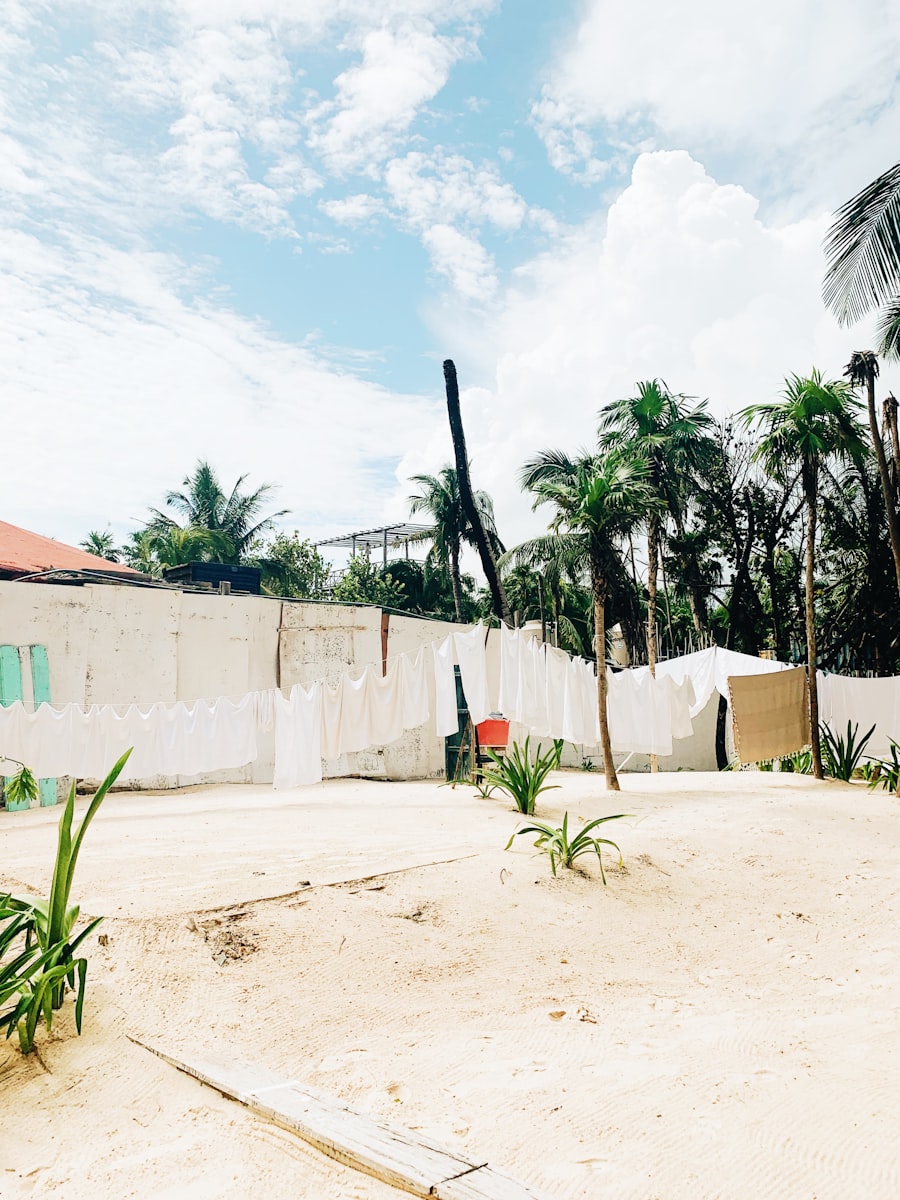
Tulum town nightlife is low-key but cool. Batey Mojito & Guarapo Bar — live music every night, signature sugarcane mojitos. Gitano — jungle garden setting, mezcal cocktails, DJ sets. Casa Jaguar — open-air restaurant-bar with live fire cooking and DJ after 10pm. La Zebra — beachfront Saturday night party, bonfire, dancing in the sand. No velvet ropes. No cover charges. Just jungle, cocktails, and music.
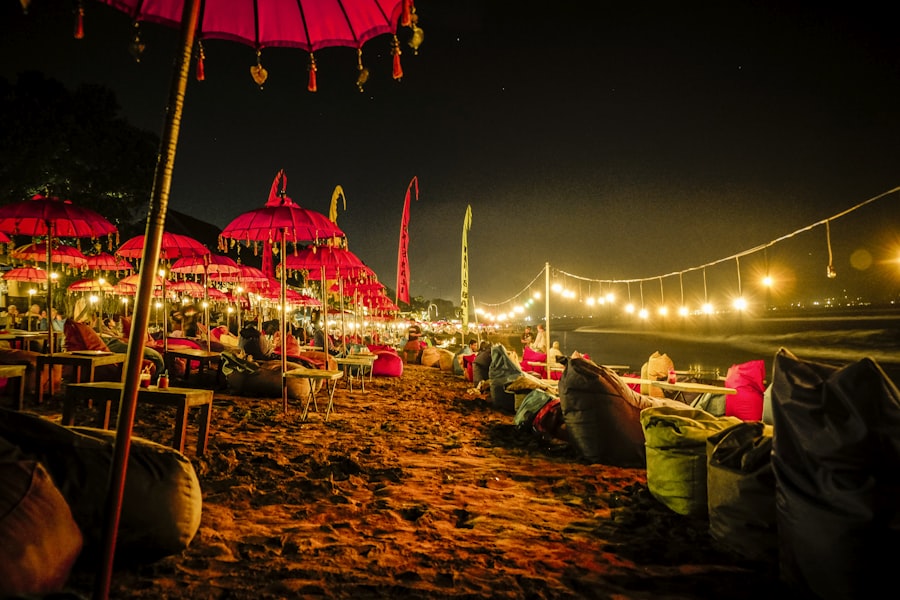
No clubs. No bouncers. No dress code. Reggae, rum punch, bare feet, and Caribbean air. The Split is the epicenter — Lazy Lizard has swings instead of barstools, DJs on the second floor, hammocks on the roof. Sip N' Dip puts your feet in the water with a drink in hand. Bliss Beach Lounge opened 2024 and is already the new favorite. Friday jam sessions at Barrier Reef Sports Bar are legendary.
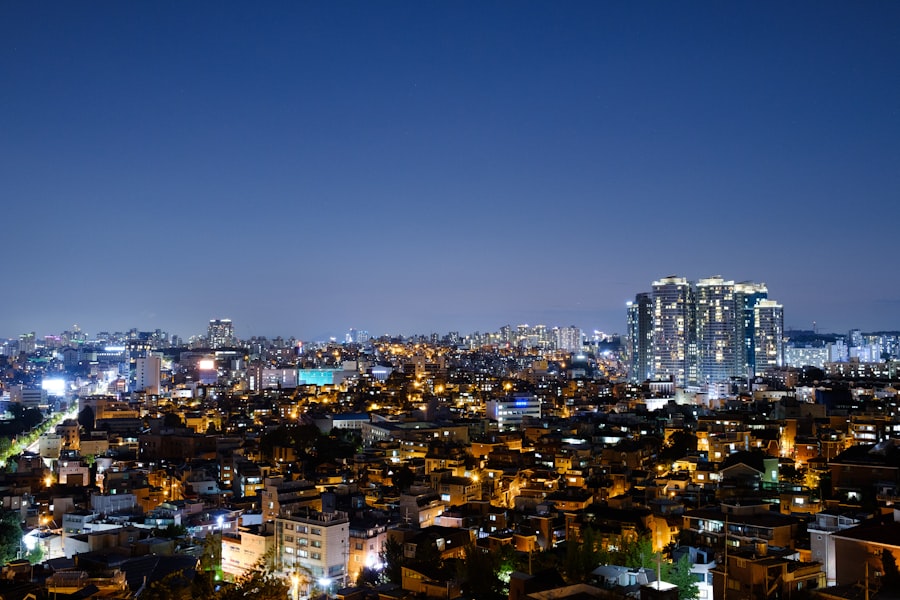
Café No Sé — the first mezcal bar opened outside Mexico. Dive bar legend with a speakeasy in the back. Backpacker institution. Tropicana Hostel Rooftop — panoramic volcano views, themed nights, live music. Antigua Brewing Company — craft beer rooftop where you watch Fuego volcano erupt while you drink. Las Palmas — salsa bar with live music from 9pm.
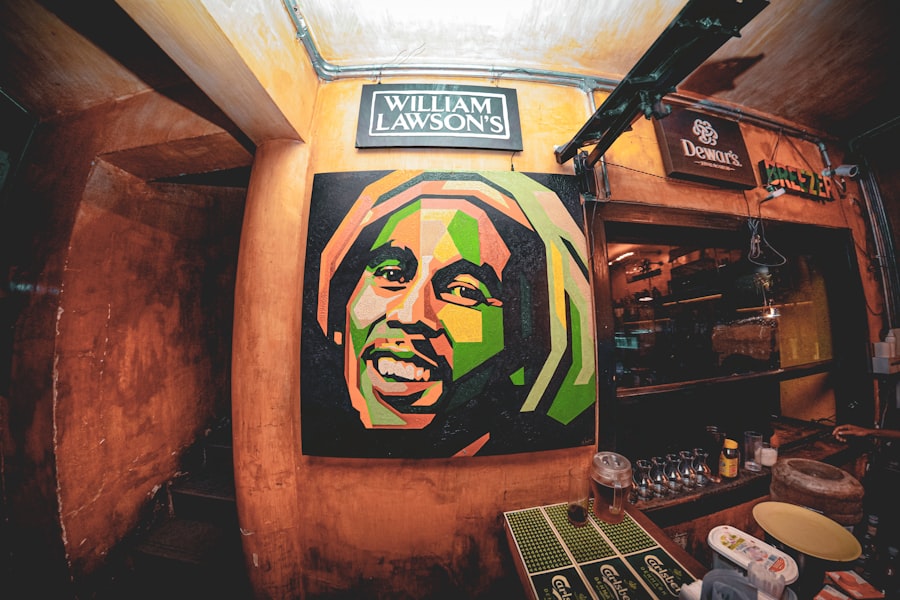
San Pedro is Atitlán's party hub. Bar Sublime — multi-level lake views, different theme every night (techno, Latin, open mic). Mr Mullet's — pub crawl every Tuesday & Saturday across 6 bars. But the move: their BOAT PARTY on Lake Atitlán every Thursday, 5 free drinks, leaves at 10am. The crowd skews under 22. Violet's people.
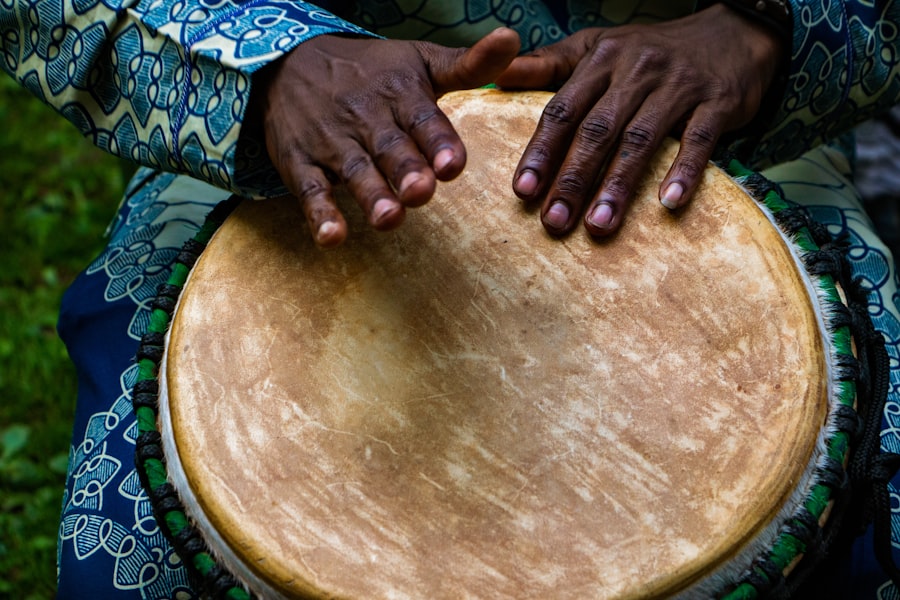
This isn't bar nightlife. This is Garifuna drumming on the beach after dark. Punta rhythms around a bonfire. The whole village shows up. Lebeha Drumming Center hosts sessions. Driftwood Beach Bar for rum punch. No DJ needed — the drums ARE the music. The most authentic night on the entire trip.
Character over chains — every place tells a story. These aren't hotels. They're part of the trip.
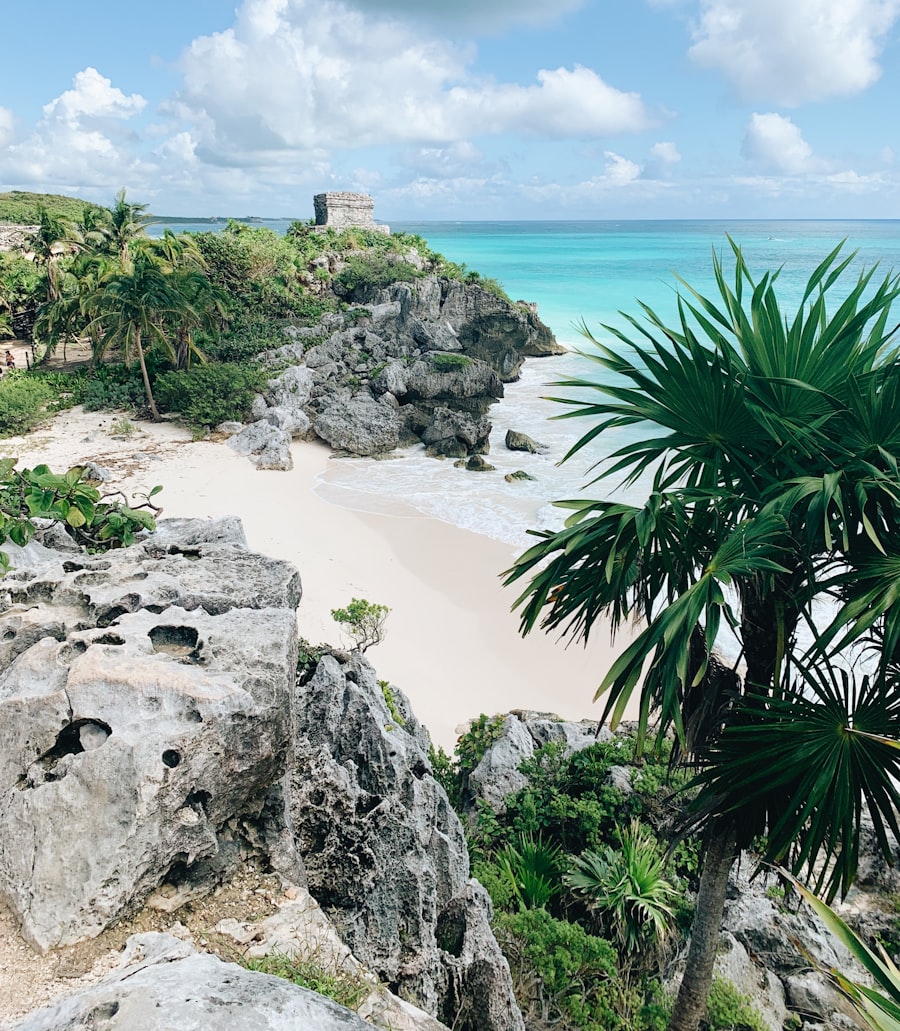
Stay in Tulum town, not the beach zone. Beach zone charges $200-800/night for the Instagram tax. Town runs $40-80/night for a nice Airbnb with a kitchen — but you just need coffee. Bike to the beach in 15 minutes on a flat dedicated path. Town has the real tacos, the local energy, the cenotes nearby. June is shoulder season — prices drop 20-40%.
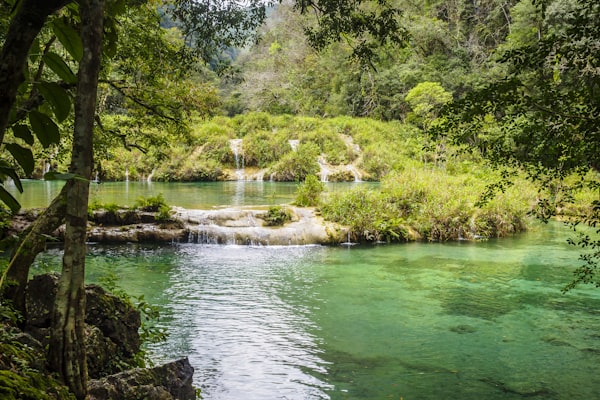
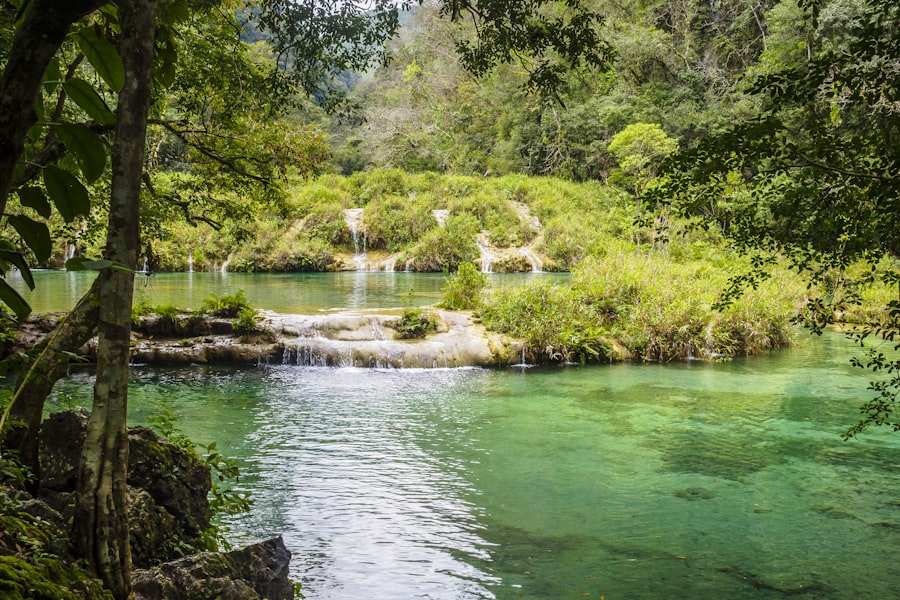
One night on the Lagoon of Seven Colors. Hotels start at $35/night with lagoon views. Yak Lake House is the best budget waterfront — swimming deck, hammocks over the water. Or go mid-range for $80-100 and get a private dock. Either way, you're sleeping on turquoise water with no noise except frogs and wind.
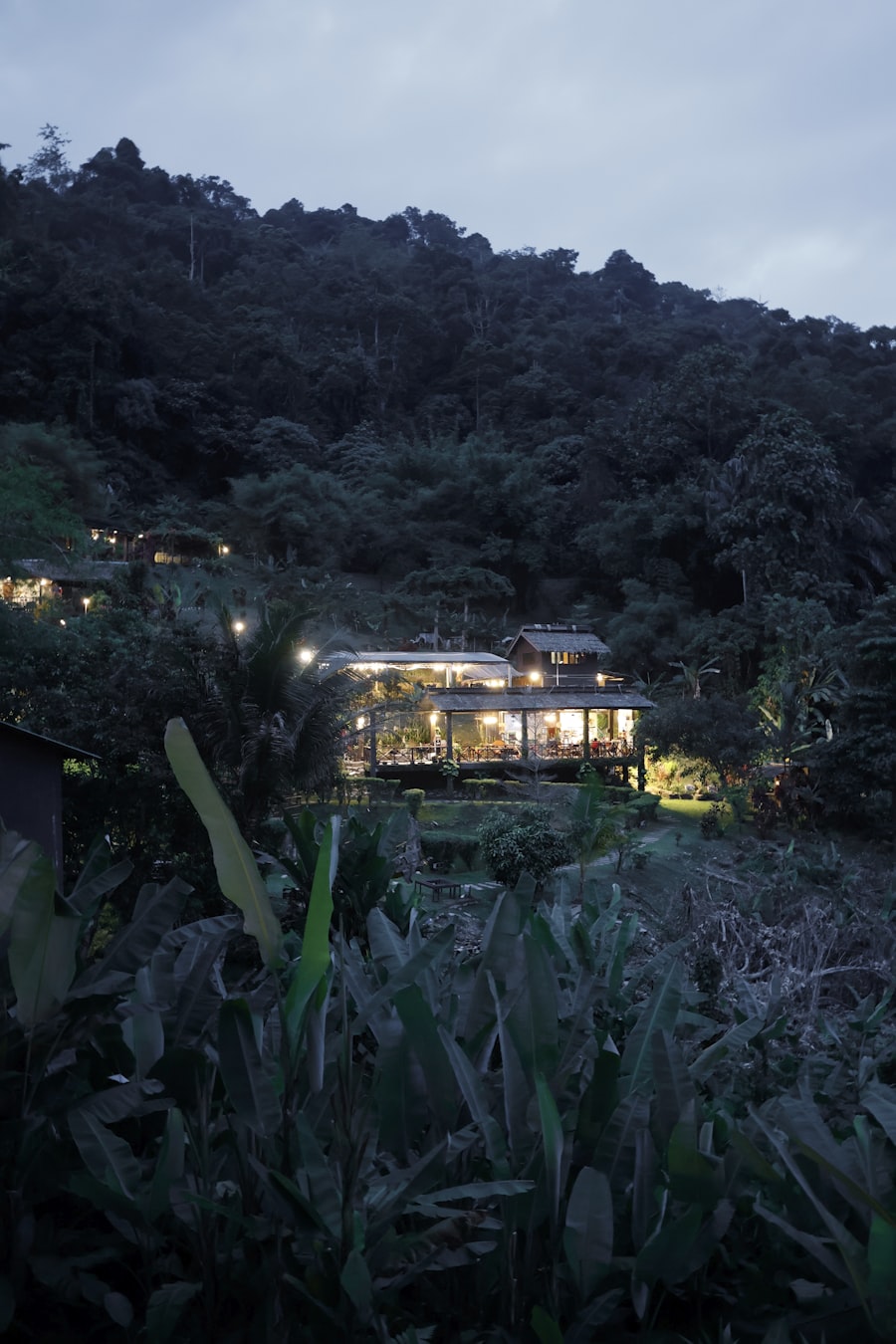
20 cabins perched on a cliff above the Macal River, surrounded by 13,000 acres of protected jungle. Solar and hydro-powered, completely off-grid. They grow their own food — 70 cacao trees, 300 pineapple plants, sugar cane, a coffee plantation, goats, chickens. 390 bird species on the property including the rare orange-breasted falcon. Veranda hammocks on every cabin. This is the permaculture lodge.
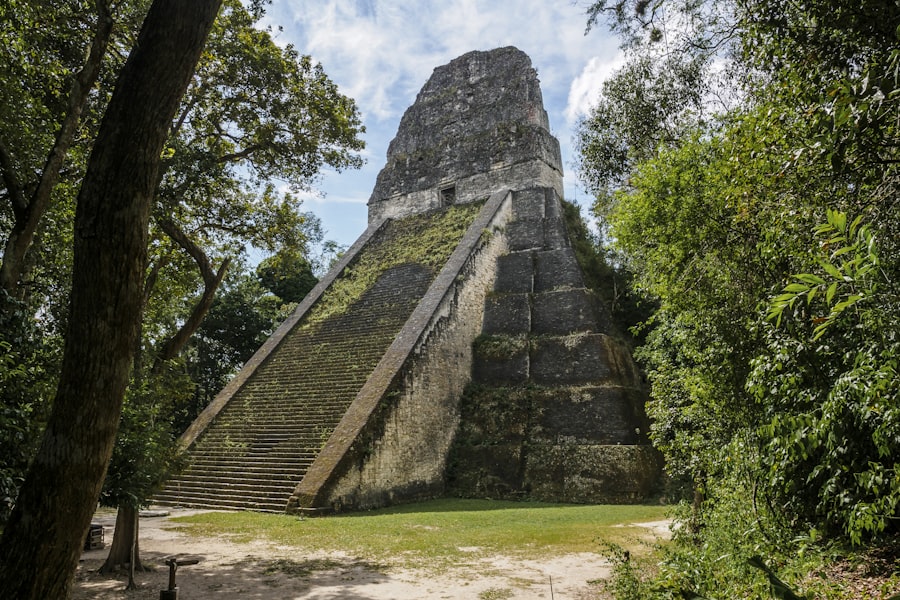
49 remodeled bungalows with intricate Mayan designs, connected by cobblestone paths through the jungle. One kilometer from the ancient city's central plaza. Pool with monkeys swinging through the canopy above. The reason you stay here: walk to Temple IV at 4am without a van ride. Howler monkeys are your alarm clock. Breakfast at Panela restaurant before the day-trippers arrive.
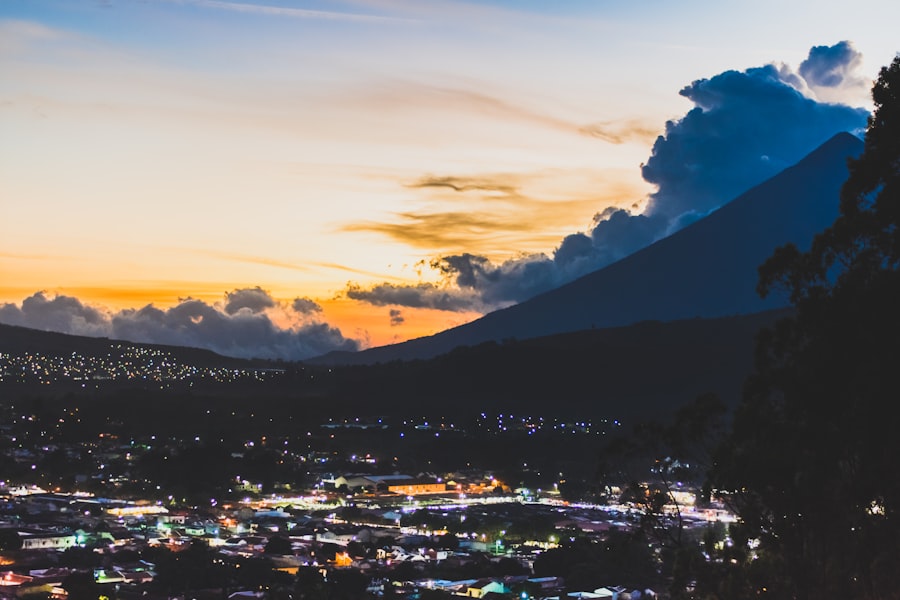
Restored 400-year-old colonial house in the centro histórico. Interior courtyard with fountain, bougainvillea climbing the stone walls. Rooftop terrace with views of all three volcanoes — Agua, Fuego, and Acatenango. Breakfast under the arches. Walk to everything — cooking schools, chocolate workshops, coffee houses, the market.
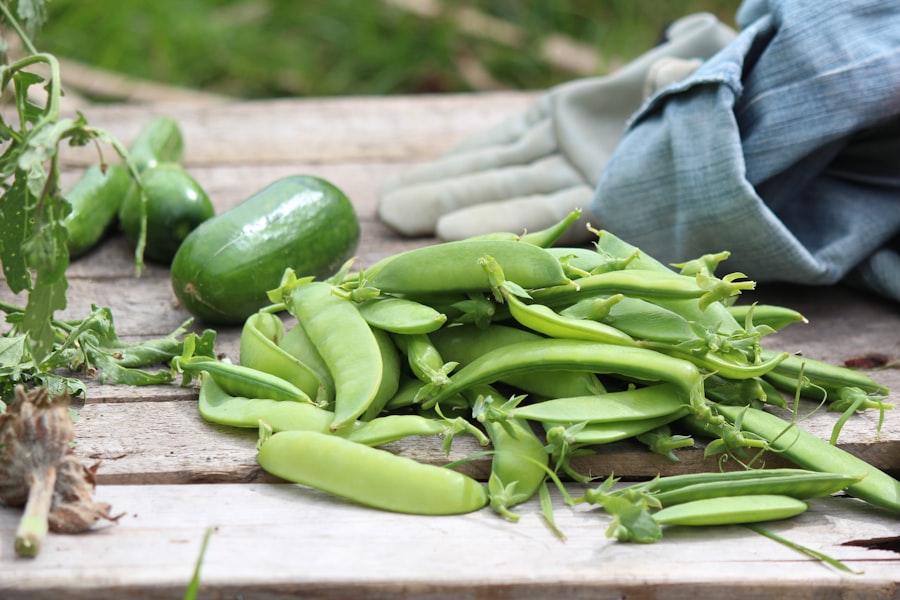
Naturally-built retreat center for permaculture and regenerative living on the shores of Lake Atitlán. 14 rooms with mountain views. Outdoor yoga platform overlooking the lake and volcanoes. Restaurant sources directly from Atitlan Organics next door. Solar water heaters, grey water cycling into on-site plantings. $65-95/day includes accommodation, 3 meals, coffee, tea, and water. This is where your worlds collide — permaculture, food, lake, mountains.
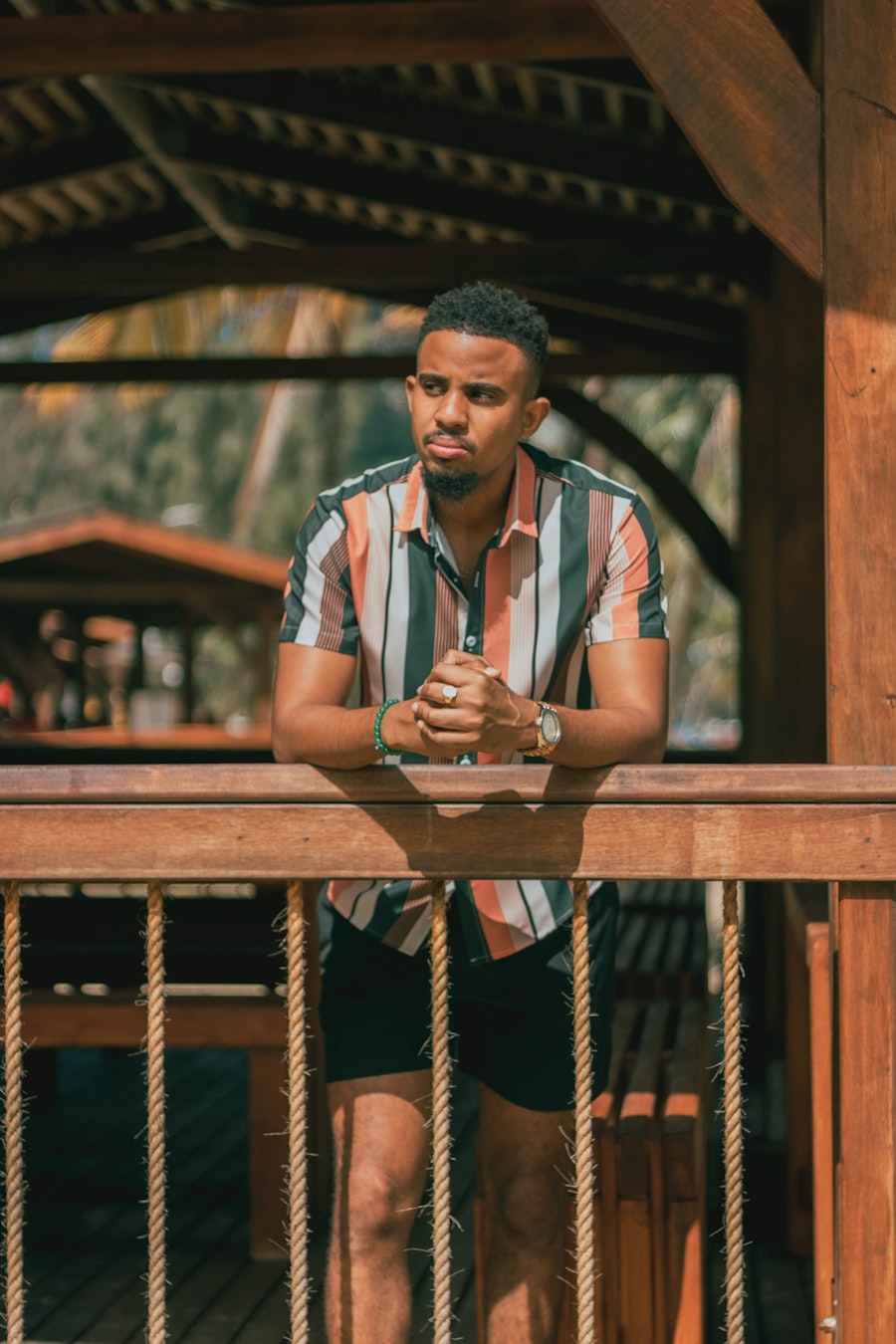
Laid-back beachfront resort right on the Caribbean. Restaurant on-site with excellent Belizean and international food. Walking distance to Palmento Grove drumming center and the village. The kind of place where you eat breakfast with your toes in the sand and the reef is a short boat ride away. Close to Cockscomb Basin for the jaguar hike.
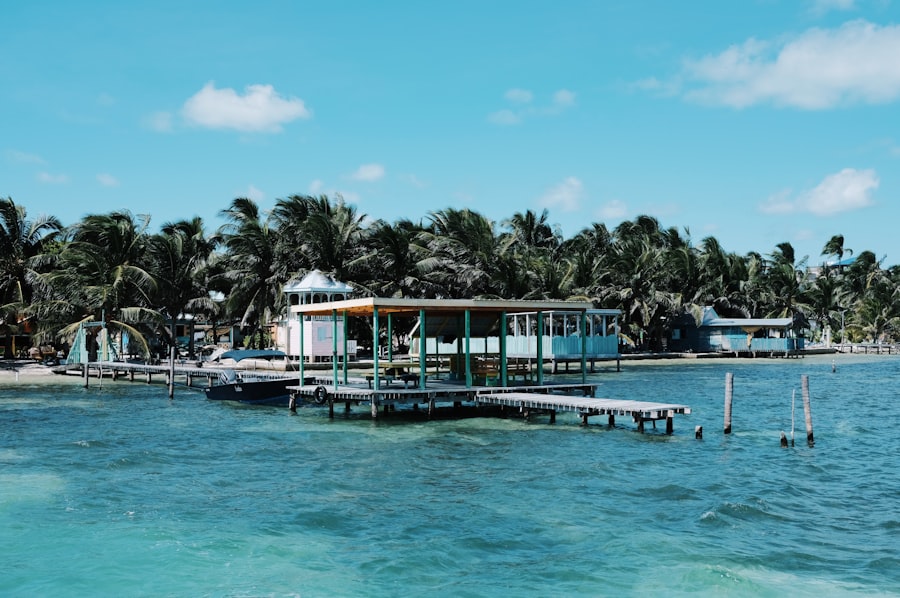
Family-run boutique right next to The Split, with a three-sided view of the Caribbean Sea. Private dock stepping into chest-deep turquoise water with a white sandy bottom. Rooftop deck with hammocks and cocktails overlooking the ocean in three directions. Daily homemade breakfast — Belizean dishes to waffles. Free bikes, canoes, and paddleboards. This is where you decompress for 5 nights after the highlands. This is where Violet gets her PADI card.
Two people · 21 days · Three countries